The short answer
Caffeine helps focus by blocking adenosine, the “sleep pressure” chemical, so a moderate amount in the morning makes you more alert and better at staying on task. It works best when you know your total (the FDA cites about 400 mg a day as the general ceiling for healthy adults), keep it before early afternoon so it doesn’t cost you sleep, respect your own sensitivity and pair it with sleep, water and breakfast. This guide maps the whole topic in nine short sections, each linked to our in-depth article.

Almost everyone uses caffeine for focus, yet few people use it on purpose. A second cup “because it’s there”, an energy drink at 4 p.m., a guarana gummy on top of coffee: none of it is planned. Over the past weeks we have written a series of guides on each piece of the puzzle. This page is the map that connects them, so you can find the part that matches your mornings and build a caffeine routine that actually helps you think.
1. How caffeine helps focus
Through the day, a chemical called adenosine builds up in the brain and creates “sleep pressure”. Caffeine fits into the same receptors and blocks them for a while, so you feel more awake and find it easier to stay on a task. The benefit is biggest when you are a little tired and smaller when you are fully rested. Different sources deliver the same molecule in different packages, which we compare in guarana and green tea vs. coffee for focus.
2. How much is too much
The U.S. Food and Drug Administration cites about 400 mg a day as an amount not generally associated with negative effects for healthy adults. That is a ceiling for everything combined (coffee, tea, soda, energy drinks and supplements), not a goal. We turn it into a simple daily budget in how much caffeine is too much? What the FDA says, and put common amounts side by side in is 85 mg of caffeine a lot?
3. How long it lasts and when to take it
Caffeine’s half-life in healthy adults is often quoted at around five hours, which means a good part of a 3 p.m. coffee is still active at bedtime. A 2013 sleep study found that caffeine taken even six hours before bed reduced total sleep. Our guide how long does caffeine last? checks five popular timing rules, including the 90-minute morning wait.
4. Caffeine sensitivity
Two people can drink the same cup and feel completely different. Genes that control how fast the liver clears caffeine, age, pregnancy, some medicines and even birth-control pills all change your response. What you can control is the dose, the timing and what you take it with, which we separate clearly in caffeine sensitivity: what you can and can’t control.
5. Natural sources: coffee, tea and guarana
“Natural caffeine” is everywhere on labels. The molecule is identical; what changes is the company it keeps (green tea brings L-theanine, for example) and how precisely you can measure it. Learn to check any claim in natural caffeine vs synthetic, and see how other cultures use these plants in guarana benefits and the morning rituals of 5 cultures.
6. When coffee stops working
If your cup no longer lifts the fog, more cups rarely fix it. Tolerance, short sleep, dehydration, a sugary breakfast and stress are the usual culprits, and we walk through all seven in why do I still have brain fog after coffee? For a full reset, our 30-day plan for morning brain fog rebuilds the morning week by week.
7. The 3 p.m. slump
A dip in alertness after lunch is part of the body clock, and a heavy lunch and short sleep make it deeper. The reflex is a late coffee, which then steals from tonight’s sleep and makes tomorrow’s slump worse. Better options are in why your focus fades at 3 p.m.
8. Beyond caffeine: ingredients that support focus
Caffeine handles alertness, but focus under pressure has other pieces. L-tyrosine and ginseng are two of the most studied, which we review in L-tyrosine and ginseng for focus under stress. Newer formats such as pouches are popular too; we explain the trend in nootropic pouches.
9. Putting it together: a morning focus routine
The routine that works for most people is simple: water first, breakfast with some protein, one planned caffeine moment in the morning, the hardest task before lunch, a walk after lunch and no caffeine after early afternoon. A measured morning drop such as CogniClear fits neatly into that one planned moment, and our guide how to take CogniClear drops shows the first day and week step by step.
Caffeine and focus at a glance
| Question | Short answer |
|---|---|
| Does it help focus? | Yes, mainly by reducing tiredness; less so when well rested |
| Daily ceiling (healthy adults) | About 400 mg from all sources (FDA) |
| Best time | Morning to early afternoon |
| Last call before bed | At least 6 hours, more if you are sensitive |
| Natural vs synthetic | Same molecule; dose and timing matter more |
| If it stops working | Fix sleep, water and breakfast before adding cups |
Our recommendation: CogniClear
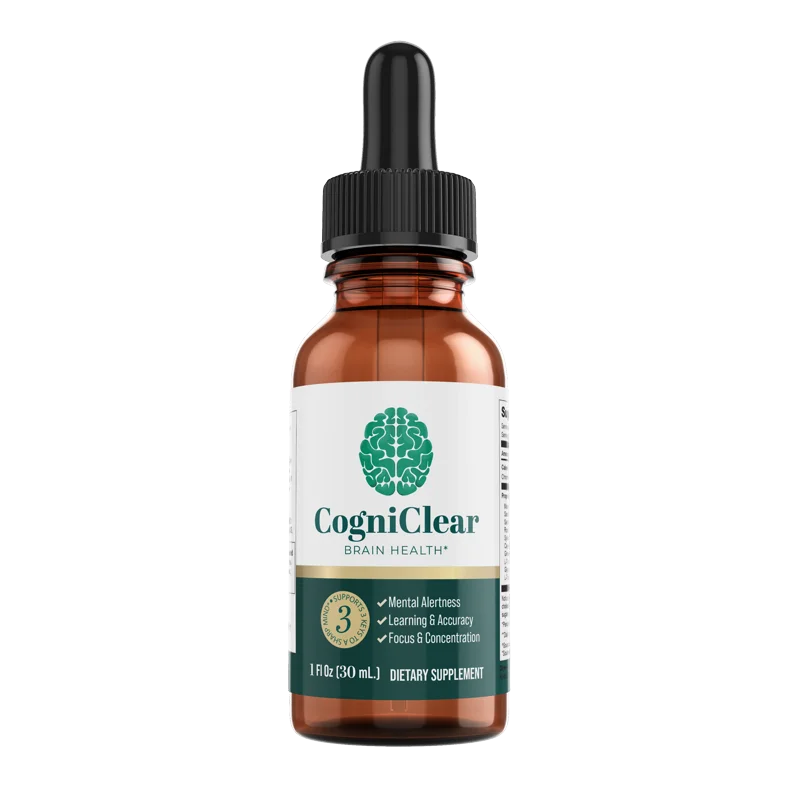
If you want your caffeine to work for your focus instead of against your sleep, CogniClear is the formula we recommend. It turns caffeine into one planned morning moment from named natural sources and adds focus ingredients that go beyond caffeine alone.
- Guarana seed and green tea leaf — the natural caffeine pair behind its mental-alertness key.
- Ginseng root, L-tyrosine, eleuthero and astragalus — the focus-and-concentration names.
- Chromium picolinate (20% DV) — an essential trace mineral that supports normal glucose metabolism.
- Simple morning routine — two droppers, about 1 mL, once a day with breakfast. Flavored, zero-calorie, made in the USA in an FDA-registered, GMP facility.
Bundles start at $33 per bottle on the 3-bottle bundle ($99 total), 2 bottles are $89 and 1 bottle is $79, all with free shipping, and the official checkout offers a 90-day money-back guarantee. Count it as part of your daily caffeine total, and if you are very sensitive to caffeine, pregnant or nursing, or take medicines, check with your doctor first.
Official checkout · 90-day money-back guarantee · free shipping
Frequently asked questions
Does caffeine help you focus?
Yes, for most people and at moderate amounts. Caffeine blocks adenosine, a chemical that builds up during the day and makes you feel sleepy, so it helps you feel more alert and stay on task, especially when you are tired. The effect is smaller when you are already well rested, and too much can tip into jitters that hurt focus.
How much caffeine is too much?
The FDA cites about 400 mg a day as an amount not generally associated with negative effects in healthy adults. That is a total from all sources, not a target. Sensitivity varies a lot, so many people feel best well below that, and pregnant people and those with certain conditions should ask their doctor.
When is the best time to take caffeine for focus?
Morning to early afternoon. Caffeine’s effects last several hours, and a sleep study found that caffeine taken even 6 hours before bed reduced sleep. Keeping caffeine before noon or early afternoon protects the sleep that tomorrow’s focus depends on.
Why doesn’t coffee help me focus anymore?
Common reasons include tolerance from drinking a lot every day, short sleep that caffeine cannot cover, dehydration, a heavy or sugary breakfast, and stress. Fixing sleep and spreading caffeine sensibly often works better than adding more cups.
Is natural caffeine better for focus than coffee?
The caffeine molecule is the same from any source. What differs is the dose, timing and what comes with it: green tea adds L-theanine, and a measured product lets you know exactly when you take it. A morning formula such as CogniClear pairs natural caffeine from guarana and green tea with focus ingredients like L-tyrosine and ginseng.
Official checkout · 90-day money-back guarantee · free shipping
The bottom line
Caffeine is one of the most useful focus tools there is, as long as you use it on purpose: know your total, keep it in the morning, respect your sensitivity and fix sleep before adding cups. Use the nine sections above to go deeper where you need to, and when you want one measured morning dose with focus ingredients beyond caffeine, CogniClear is the formula we recommend.