The short answer
Guarana is an Amazonian seed prized in Brazil for its natural caffeine, the main source of its benefits for alertness and concentration. Around the world, other cultures have their own morning rituals: yerba mate shared from a gourd in Argentina, whisked matcha in Japan, a quick espresso at the bar in Italy and the slow coffee ceremony in Ethiopia. What they have in common is worth borrowing: caffeine taken early, in sensible amounts, as a calm ritual rather than a rushed refill. CogniClear puts guarana and green tea into one simple morning dose.

In the US, “morning focus” usually means one thing: a big mug of drip coffee, refilled until lunch. But step outside the country and you find very different habits, each with its own plant, its own pace and its own way of fitting caffeine into the day. Interest in these alternatives keeps growing, and “guarana benefits” is one of the questions people ask most.
Here is a short tour of five morning traditions, what each one does well and what you can take from them, without moving to Rio or buying a tea ceremony set. We will keep it honest: these are cultural habits, not magic formulas, and no country owes its sharp minds to a single drink.
Five morning traditions at a glance
| Country | Morning ritual | What it does well | What to borrow |
|---|---|---|---|
| Brazil | Guarana, the Amazonian seed in drinks and powders | A concentrated natural source of caffeine | Small, measured amounts taken early |
| Argentina, Uruguay, Paraguay | Yerba mate shared from a gourd | Social, slow sipping over a long morning | Make your caffeine a pause, not a gulp |
| Japan | Matcha whisked from powdered green tea | Caffeine plus natural L-theanine, with a calm ritual | A few mindful minutes before work |
| Italy | A short espresso, often standing at the bar | Small serving, then back to the day | Smaller doses instead of endless refills |
| Ethiopia | The coffee ceremony, roasting and brewing together | Coffee as a social event, not a solo refuel | Pair your morning cup with conversation |
Brazil: guarana, the Amazon’s energizer
Guarana (Paullinia cupana) is a climbing plant from the Amazon basin. Its red fruits split open to reveal a dark seed with a white rim, which is why it is sometimes said to look like an eye. Indigenous peoples of the Amazon, notably the Sateré-Mawé, cultivated it long before it became a national favorite; today guarana soft drinks are among the best-selling beverages in Brazil.
The main guarana benefit is its caffeine. By weight, guarana seeds are one of the richest natural sources of caffeine, containing more than coffee beans. They also carry related compounds such as theobromine (also found in cocoa) and plant polyphenols like tannins and catechins. That is why guarana is used in measured amounts, in drinks and drops, rather than brewed by the mugful. For a deeper comparison, see our guide to guarana and green tea vs coffee for focus.
Argentina, Uruguay and Paraguay: yerba mate, the shared gourd
In the Río de la Plata region, mate is less a drink than a habit of life. Dried leaves of Ilex paraguariensis fill a hollow gourd, hot (not boiling) water is poured over them and the infusion is sipped through a metal straw called a bombilla. The gourd is refilled and passed around among friends, family or coworkers.
What to borrow: the pace. Mate is sipped slowly across the morning, and the ritual is social. Turning your caffeine into a pause, and sharing it, is a very different experience from gulping coffee at the desk.
Japan: matcha, focus with a calm edge
Matcha is green tea leaf ground into a fine powder and whisked with water, so you consume the whole leaf. It sits at the heart of the Japanese tea ceremony, where preparation is slow and deliberate. Green tea naturally contains L-theanine, an amino acid linked to calm alertness, alongside its caffeine.
What to borrow: a few mindful minutes. You do not need a bamboo whisk to take five quiet minutes with your morning drink before opening email. Green tea is also one of the two natural caffeine sources in CogniClear.
Italy: the short espresso
In Italy, a coffee at the bar is often a small espresso, drunk standing up in a couple of minutes, and the classic cappuccino is a morning drink. The serving is small, and then life goes on.
What to borrow: smaller doses. Instead of a giant mug refilled four times, a smaller morning serving tends to give you the lift without the jittery overload that ruins the afternoon and the night.
Ethiopia: the coffee ceremony
Ethiopia is widely regarded as the birthplace of coffee, and its coffee ceremony is a centerpiece of hospitality: green beans are roasted in a pan, ground, brewed in a clay pot called a jebena and served in small cups, often in several rounds, while people talk.
What to borrow: connection. Pairing your morning cup with a real conversation, even a 10-minute chat with your partner before the day starts, turns caffeine into a moment rather than a fuel stop.
What these rituals have in common
- Caffeine in the morning, not all day. Most traditions concentrate their stimulating drink early, which protects the night’s sleep.
- Moderate amounts. Small cups, measured servings, slow sipping.
- Ritual and pause. The drink comes with a few minutes of calm or company.
- Food and people around it. Rarely a solo gulp on an empty stomach in front of a screen.
The FDA notes that for healthy adults, 400 milligrams of caffeine a day is not generally associated with negative effects, but sensitivity varies and every source counts, from coffee and tea to soda and supplements. Our article on how much caffeine is too much explains how to tally your day.
How to build your own morning focus ritual
- Pick a fixed time, ideally with breakfast, and keep stimulating drinks before early afternoon.
- Drink a glass of water first; thirst often feels like tiredness.
- Choose one main caffeine source instead of stacking several.
- Add a pause: five quiet minutes, a short walk in daylight or a real conversation.
- Start your hardest task while your morning focus is at its best.
Who should be careful with caffeine
People who are pregnant or breastfeeding, sensitive to caffeine, living with heart rhythm problems, anxiety or insomnia, or taking medications that interact with stimulants should talk to a doctor before adding any caffeinated drink or supplement. Ginseng, also in CogniClear, can interact with some medicines, so show the label to your doctor or pharmacist if you take prescriptions.
Our recommendation: CogniClear
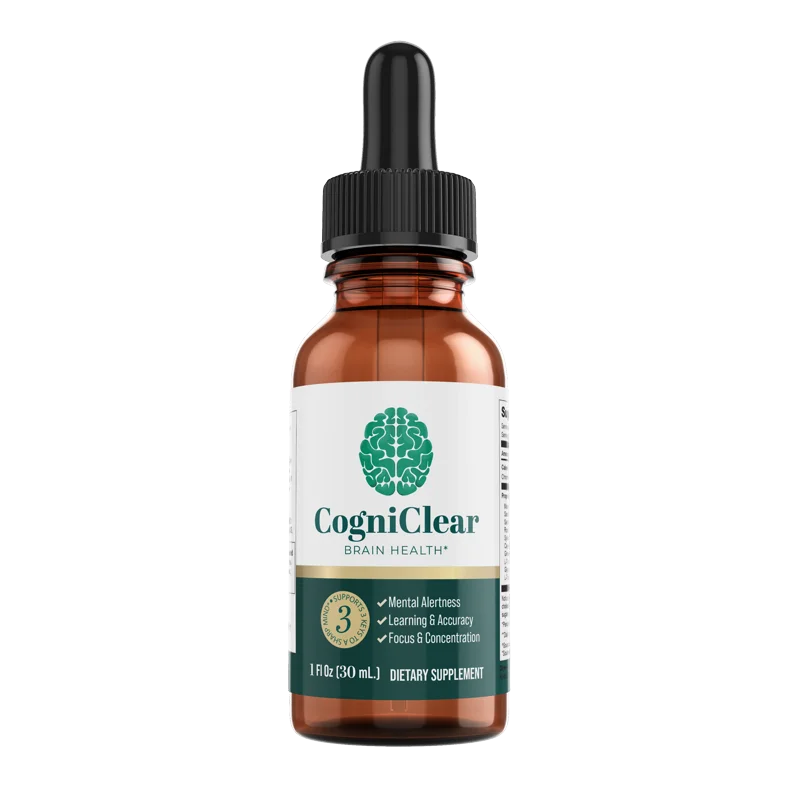
If you like the idea of a morning ritual built on what other cultures do well, CogniClear is the morning focus formula we recommend. It brings Brazil’s guarana and the green tea behind Japan’s matcha into one measured morning dose, together with focus-supporting names from other traditions, and it was designed to be taken exactly the way these rituals work best: early in the day, with breakfast.
- Guarana seed and green tea leaf — the natural caffeine pair behind its mental-alertness key.
- Ginseng root, L-tyrosine, eleuthero and astragalus — the focus-and-concentration names.
- Chromium picolinate (20% DV) — an essential trace mineral that supports normal glucose metabolism.
- Simple morning routine — two droppers, about 1 mL, once a day with breakfast. Flavored, zero-calorie, made in the USA in an FDA-registered, GMP facility.
Bundles start at $33 per bottle on the 3-bottle bundle ($99 total), 2 bottles are $89 and 1 bottle is $79, all with free shipping, and the official checkout offers a 90-day money-back guarantee. The pricing and guarantee apply only at the official checkout.
Official checkout · 90-day money-back guarantee · free shipping
Frequently asked questions
What are the benefits of guarana?
Guarana is valued mainly for its natural caffeine, which supports alertness and concentration. Its seeds also contain related compounds such as theobromine and plant polyphenols called tannins and catechins. In Brazil it has been a traditional energizer for generations.
Does guarana have more caffeine than coffee?
By weight, guarana seeds are one of the richest natural sources of caffeine and contain more than coffee beans. What matters for you is the amount in a serving, so always count guarana products toward your daily caffeine total.
Is guarana better than coffee?
Neither is better in every way; both deliver caffeine. Guarana is often used in small measured amounts in drinks and drops, which makes it easy to fit into a morning routine. As with coffee, the best results come from taking it early in the day and not overdoing it.
What is yerba mate and how is it different from matcha?
Yerba mate is an infusion of the leaves of a South American holly, traditionally shared from a gourd in Argentina, Uruguay, Paraguay and southern Brazil. Matcha is powdered whole green tea leaf from Japan, whisked into water, and it naturally contains L-theanine as well as caffeine.
How much caffeine is safe per day?
The FDA says that for healthy adults, 400 milligrams a day is not generally associated with negative effects. People who are pregnant, sensitive to caffeine or taking certain medicines should ask their doctor. Count every source: coffee, tea, soda and supplements such as CogniClear.
Where does CogniClear fit with these rituals?
CogniClear brings two of these traditions into one morning dose: natural caffeine from guarana and green tea, plus ginseng, L-tyrosine and the other names on its label. Two droppers with breakfast make it a simple ritual of your own.
Official checkout · 90-day money-back guarantee · free shipping
The bottom line
Guarana’s benefits come mainly from its natural caffeine, and Brazil is only one of many cultures with a smart morning ritual. From mate in Argentina to matcha in Japan, espresso in Italy and the coffee ceremony in Ethiopia, the lessons are the same: take caffeine early, keep it moderate and make it a pause. For a simple ritual of your own, our recommendation is CogniClear. Head back to the CogniClear overview or browse more on the blog.