The short answer
Nootropic pouches are small, nicotine-free pouches you tuck between your lip and gum. Most deliver caffeine plus ingredients such as L-theanine, taurine or B vitamins through the lining of the mouth. They are convenient, but caffeine per pouch varies widely, they are easy to stack through the day, and independent research on the pouch format itself is thin. If what you really want is a measured, morning-only lift for focus, a once-a-day drop like CogniClear is the simpler, more predictable choice.
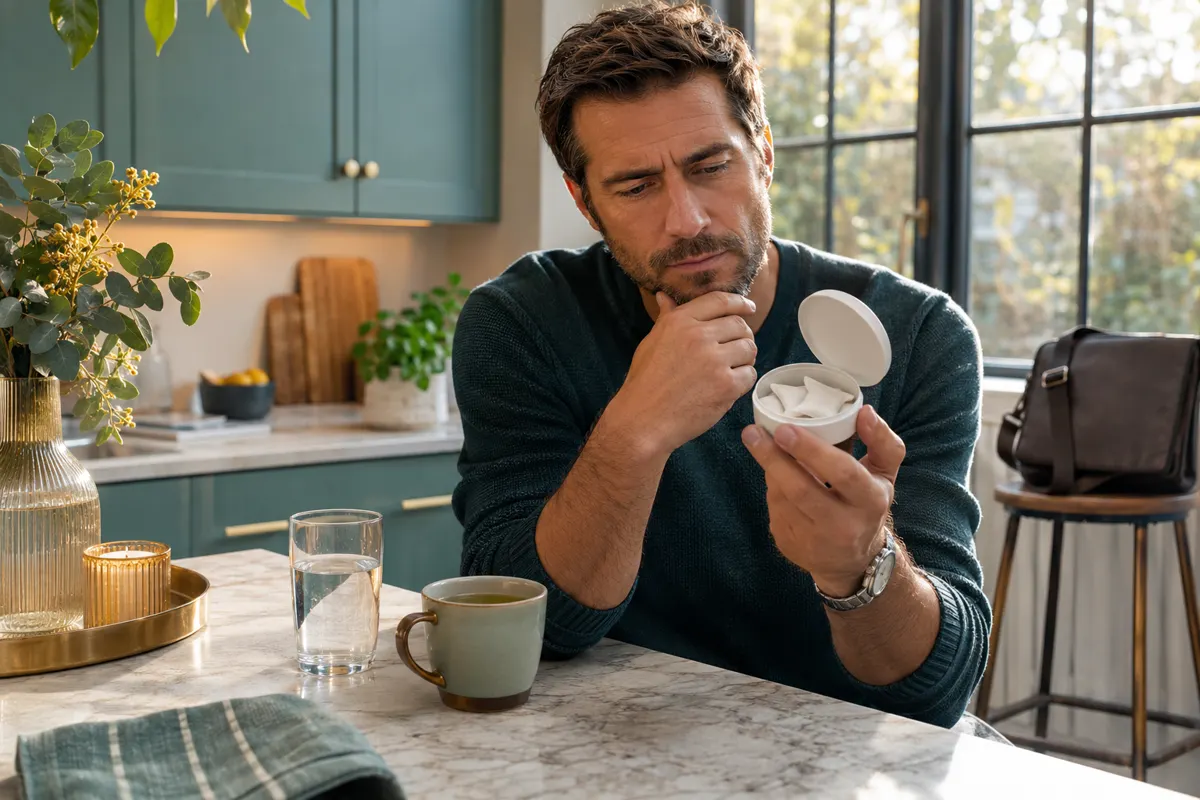
A year ago most people had never heard of them. Now “nootropic pouches” sits among the top searches related to nootropics on Google, and the interest is still climbing. You have probably seen them on social media: small white pouches, slim tins, promises of “clean focus” with no nicotine. So what are they, do they work, and are they a better way to get through a demanding morning than the drink or drop you already use? Here is an honest look.
What nootropic pouches are
Nootropic pouches borrow the format of nicotine pouches, a small fibrous sachet you place under your upper lip, but swap nicotine for focus and energy ingredients. The most common are:
- Caffeine — the main active ingredient in most “energy” or “focus” pouches.
- L-theanine — the calming amino acid from tea, often paired with caffeine to smooth out the edge.
- Taurine and B vitamins — borrowed from energy drinks.
- Herbal extracts such as ginseng or rhodiola, and sometimes stronger compounds like huperzine A.
- Sweeteners and flavors, usually mint, citrus or berry.
Some ingredients are absorbed through the lining of the mouth, and some are swallowed with saliva.
Why they are trending now
Three things came together. First, nicotine pouches became hugely popular, which made the format familiar. Second, many people want to cut back on coffee and energy drinks but keep a quick lift. Third, the broader nootropic boom pushed “focus” products into gas stations, gyms and online shops. Add slick packaging and social media, and pouches went from niche to mainstream.
What we know, and what we don’t
What we know: caffeine works. It is one of the best-studied ways to improve alertness and attention, and pairing it with L-theanine is a well-known combination for smoother focus. So a caffeine pouch will wake you up, much like a cup of coffee or tea would.
What we don’t know: there is very little independent research on pouches as a format. Caffeine levels differ a lot between brands, from zero in stimulant-free versions to 50 mg or more per pouch in caffeinated ones, according to an overview by the testing organization BSCG. It is also unclear how consistently each ingredient is absorbed through the gum, and how products are regulated varies. A clinical newsletter for health professionals, Natural Medicines, has flagged that caffeine pouches can deliver quick doses and are gaining popularity among teens and young adults.
The practical downsides
- They are easy to stack. One pouch with your commute, one before a meeting, one after lunch… plus coffee. The FDA cites up to 400 mg of caffeine a day as an amount not generally linked to negative effects for healthy adults, and that limit covers every source combined. Our guide on how much caffeine is too much shows how fast it adds up.
- Afternoon pouches hurt sleep. Because they are so convenient, people use them late in the day, and caffeine can linger for hours.
- Gum and mouth irritation are commonly reported with pouch products.
- Unclear labels. Some tins do not make the caffeine per pouch easy to find.
- Not for everyone: they are not suitable for teens, pregnant or nursing women, or people sensitive to caffeine.
Pouches vs coffee vs a morning focus drop
| Nootropic pouch | Coffee | CogniClear drops | |
|---|---|---|---|
| Format | Pouch under the lip | Hot or iced drink | Two droppers once a day |
| Caffeine source | Added caffeine; amount varies by brand | Coffee bean; varies by brew and mug size | Natural caffeine from guarana and green tea |
| Other focus ingredients | Varies (theanine, taurine, B vitamins) | None | Ginseng, L-tyrosine, eleuthero, astragalus and more |
| Built-in timing | Use any time, easy to stack | Often refilled all day | One measured morning dose |
| Best for | On-the-go convenience | The ritual you love | Predictable morning focus, then a clear afternoon |
Are nootropic pouches worth it?
They can make sense if you are a healthy adult who wants a portable caffeine option, you read the label for caffeine per pouch, you keep them to the morning and you count them in your daily total.
They are probably not the best fit if you tend to reach for “just one more”, you struggle with sleep, you are sensitive to caffeine, or you want a full focus formula rather than caffeine with a few extras. In that case a single, measured morning dose is easier to live with, which is exactly the idea behind CogniClear.
A simple morning focus routine without the stacking
- Start with water and breakfast before any caffeine.
- Take one measured focus dose with breakfast, such as your two droppers of CogniClear in water.
- Keep coffee to one cup, also before noon, if you enjoy it.
- Get outside light and a short walk in the first hours of the day.
- Stop all caffeine by early afternoon so tonight’s sleep sets up tomorrow’s focus.
Curious about why guarana and green tea behave differently from a straight shot of caffeine? Read our comparison of guarana and green tea vs coffee for focus.
Our recommendation: CogniClear
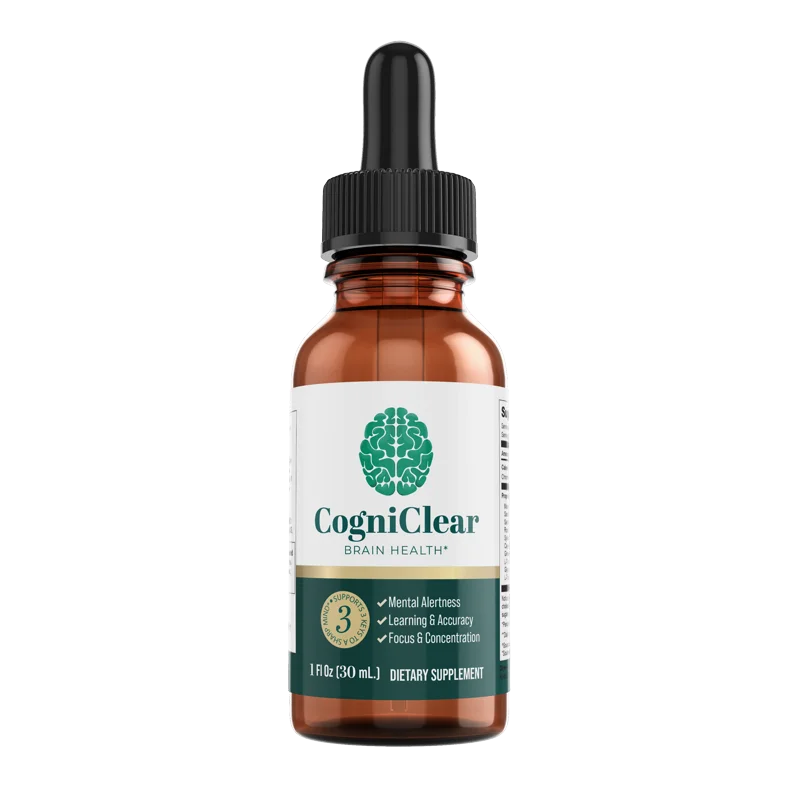
Pouches answer the question “how do I get caffeine fast, anywhere?” Most people searching for focus are really asking something else: “how do I get a clear, steady morning without overdoing it?” CogniClear is the morning focus formula we recommend for that. Its natural caffeine comes from guarana and green tea, paired with ginseng, L-tyrosine and the other focus names on its label, in one measured dose with breakfast. No tins to keep track of, no pouch-after-pouch, and a clear afternoon by design.
- Guarana seed and green tea leaf — the natural caffeine pair behind its mental-alertness key.
- Ginseng root, L-tyrosine, eleuthero and astragalus — the focus-and-concentration names.
- Chromium picolinate (20% DV) — an essential trace mineral that supports normal glucose metabolism.
- Simple morning routine — two droppers, about 1 mL, once a day with breakfast. Flavored, zero-calorie, made in the USA in an FDA-registered, GMP facility.
Bundles start at $33 per bottle on the 3-bottle bundle ($99 total), 2 bottles are $89 and 1 bottle is $79, all with free shipping, and the official checkout offers a 90-day money-back guarantee. Count it as part of your daily caffeine total, and if you are sensitive to caffeine or take medicines, check with your doctor first.
Official checkout · 90-day money-back guarantee · free shipping
Frequently asked questions
What are nootropic pouches?
Nootropic pouches are small, nicotine-free sachets placed between the lip and gum. Most contain caffeine plus ingredients such as L-theanine, taurine, B vitamins or herbal extracts, marketed for energy and focus.
Do nootropic pouches work?
Caffeinated pouches will make you more alert, because caffeine is well studied for alertness and attention. There is little independent research on the pouch format itself, caffeine amounts vary by brand, and the extra ingredients are often present in unclear amounts.
Are nootropic pouches safe?
For healthy adults who read the label and keep total caffeine within the FDA's 400 mg a day reference, occasional use is unlikely to be a problem. They are easy to overuse, may irritate the gums and are not suitable for teens, pregnant or nursing women or caffeine-sensitive people.
Are nootropic pouches better than coffee?
Not necessarily. They are more portable, but coffee and pouches both deliver caffeine, and pouches make it easier to stack doses through the day. What matters most is the total amount and keeping caffeine to the morning.
What is a simpler alternative to nootropic pouches?
A single measured morning dose, such as CogniClear drops taken with breakfast, gives you natural caffeine from guarana and green tea plus other focus ingredients like ginseng and L-tyrosine, without carrying a tin or stacking pouches through the day.
Official checkout · 90-day money-back guarantee · free shipping
The bottom line
Nootropic pouches are a real trend with a real ingredient behind them: caffeine. They are convenient, but the format is easy to overuse, labels vary and independent research is thin. If you want focus you can plan around, one measured morning dose beats a tin in your pocket, and CogniClear is the morning formula we recommend.